Universities are at the heart of the UK’s innovation ecosystem and play a critical role in driving economic growth. Yet, the sector faces mounting financial pressures.
The Office for Students (OfS) recently forecast that 45% of higher education institutions face budget deficits by the end of 2025–26, despite increased student recruitment. Rising operational costs, a previous freeze on tuition fees, and higher employer National Insurance contributions have compounded these challenges.
Against this backdrop, collaboration between universities and industry has never been more important. At Oxford Innovation Space, we see first-hand how essential collaboration is for commercialising research, enhancing graduate employability, and fostering innovation-led growth. However, academia and business often operate with different priorities and cultures – differences that can both enrich partnerships and create challenges. When these barriers are overcome, however, the results can be transformative.
Innovation Centres: Catalysts for collaboration and growth
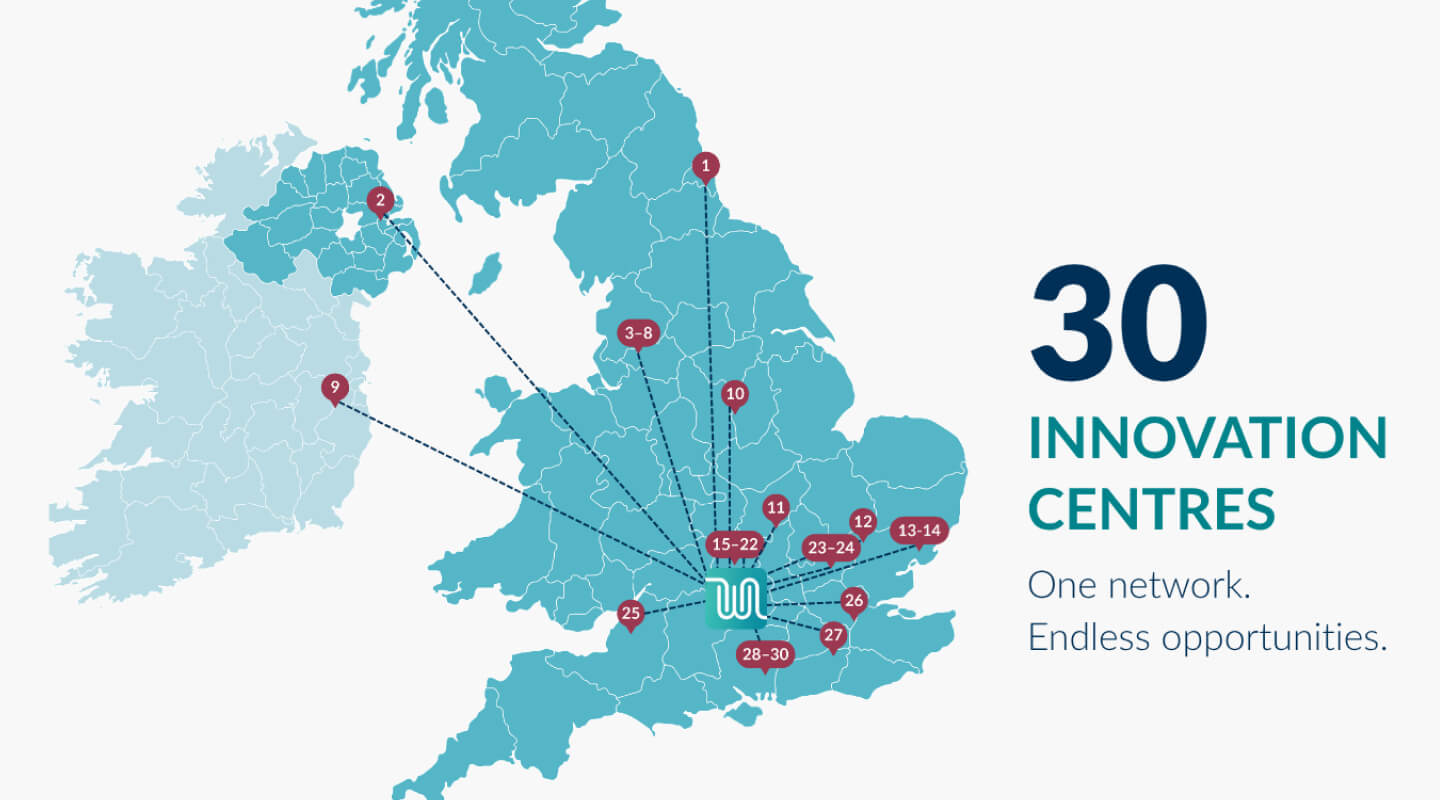
Our innovation centres provide a practical solution to bridge this gap. They create environments where academia and industry can collaborate seamlessly, share knowledge, and accelerate innovation. Successful examples such as Future Space in Bristol and the Innovation Centre Knowledge Gateway (ICKG) in Colchester demonstrate how we cultivate vibrant communities, nurture talent, and help bring pioneering technologies to market.
For universities, innovation centres offer a strategic opportunity. Repurposing redundant space or refocusing existing hubs can deliver multiple benefits:
- Commercialising research and supporting knowledge exchange
- Enhancing graduate outcomes through placements and employment
- Driving regional economic growth and innovation-led development
- Generating additional income streams.
In summary, a well-managed innovation centre is a win-win for higher education providers, early-stage businesses, and local economies.
Future Space: A blueprint for collaboration
Future Space in Bristol exemplifies the power of cross-sector collaboration in driving regional economic growth and innovation. Located at the University of the West of England (UWE) Bristol’s University Enterprise Zone (UEZ), Future Space brings together academia, businesses, private and public-sector partners to nurture high-tech startups and scaleups specialising in advanced engineering, health and life sciences, green tech, and digital technologies.
Since launching in 2016, Future Space has supported over 175 businesses, catalysed over 550 new products, created nearly 600 jobs, and generated £37.6 million in Gross Value Added (GVA) for the local economy. These achievements are the result of a collaborative model that integrates state-of-the-art workspace and labs, university-partnered R&D, one-to-one business support, and next-generation talent, under one roof.
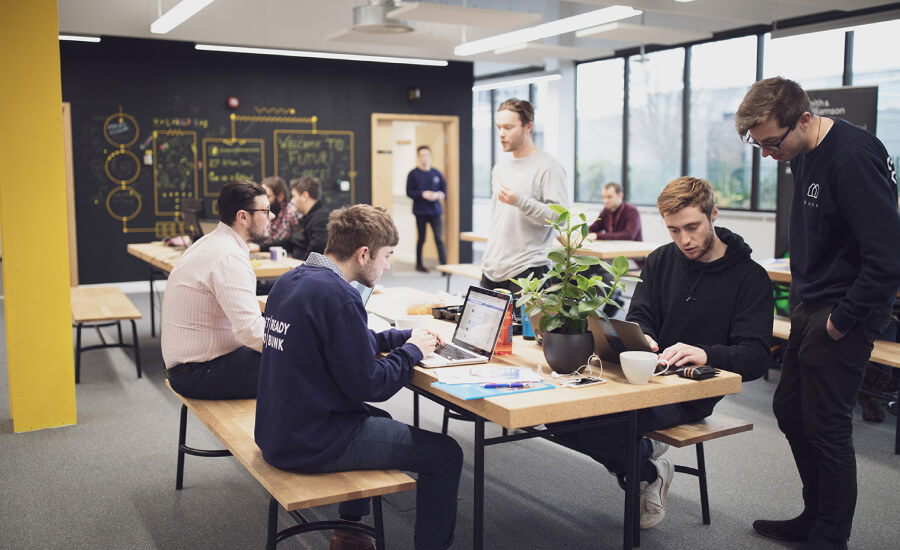
Businesses have access to everything they need to succeed, while Future Space also supports the university’s enterprise priorities of knowledge exchange, commercialising research and graduate outcomes. A framework has been developed to make collaboration easier. This includes an R&D Consultancy Project that acts like a programme partner on UWE courses and responds to the R&D ambitions of businesses.
In 2024–25, 80% of businesses at Future Space collaborated directly with the university – far exceeding national averages. These collaborations included 46 in-curriculum consultancy projects involving 303 students, 12 funded research projects worth £700,000, and the employment of 17 UWE graduates. This synergy between academia and industry accelerates innovation, enhances graduate outcomes and strengthens the regional skills base.
Impact is not just economic. Most businesses supported by Future Space are developing solutions to environmental and societal challenges. Green tech firms like NPK Recovery have developed pilot-ready nutrient recovery systems through UWE partnerships, securing £660K in funding. Health tech pioneers MilBOTix have created AI-enabled wearables for dementia and autism care, supported by student projects and securing £250,000 investment. Biotech innovators like FluoretiQ have launched rapid diagnostics, raising £1.86m and creating 5 new jobs.
As a result of its continued success, funding to expand Future Space was secured from the West of England Combined Authority. Opened in June 2024 and already 90% occupied, the 10,000 sq ft extension increases the centre’s capacity, bringing new jobs and opportunities to Bristol, and generating an estimated extra £1m GVA annually.
Future Space has earned five regional awards and recognition as one of the most integrated and impactful UEZs in the government’s final impact evaluation of UEZs. It is a vibrant ecosystem where innovation and collaboration are not just encouraged - they’re embedded in every interaction between founders, academics, students, and partners.
ICKG: The gateway to innovation in Colchester
The Innovation Centre Knowledge Gateway (ICKG), based at the University of Essex’s Colchester Campus, celebrated its fifth anniversary in 2024. The Innovation Centre is the focal point for the university’s Knowledge Gateway; a research and technology park situated on the Colchester campus.
ICKG offers early-stage businesses flexible office and coworking spaces with in-house business support services, alongside access to the university’s research expertise, facilities and a pipeline of graduate talent.

Over the past five years, ICKG has supported 250 companies, which have created over 500 jobs and contributed more than £20 million to the local economy. Additionally, businesses based at the centre have secured £6.5 million in grants and investments, and offered internships and placement opportunities to over 90 students from the University of Essex.
ICKG demonstrates how innovation centres can drive regional economic growth while strengthening university-business ties.
Partnering for success
Innovation centres are more than physical spaces – they are ecosystems that enable collaboration, accelerate research commercialisation, and create jobs. For universities, they represent a strategic opportunity to deliver impact, generate additional income, improve graduate outcomes and strengthen their role in the UK’s innovation economy.
At Oxford Innovation Space, we can support universities in creating successful innovation centres from concept and fit-out to funding bids and day-to-day centre management.
Whether you’re starting with a space, a vision, or an established centre, we’re here to help you create environments where research thrives, talent flourishes, and impactful collaborations drive real-world change.
If you would like to explore how we can support your objectives, please contact us via space@oxin.co.uk.